Latest Trends in Digital Design: How AI is Shaping the Future


In the rapidly evolving world of digital design, artificial intelligence (AI) is making waves by introducing groundbreaking changes. From automating mundane tasks to enhancing creativity, AI is reshaping the landscape of design and setting new trends that are hard to ignore.
One of the most significant impacts of AI in digital design is its ability to streamline workflows. Designers are leveraging AI tools to automate repetitive tasks, allowing them to focus on more creative and strategic aspects of their projects. This not only increases efficiency but also enhances the quality of the final product.
AI-Driven Creativity
AI is not just about automation; it's also about fostering creativity. With the help of AI algorithms, designers can explore new styles and concepts that were previously unimaginable. These tools can generate design variations, suggest color palettes, and even create unique artwork based on specific inputs.
This AI-driven creativity is empowering designers to push boundaries and explore innovative ideas, making digital design more dynamic and versatile. The integration of AI in design tools offers a collaborative approach where human creativity and machine efficiency work hand in hand.
Personalization and User Experience
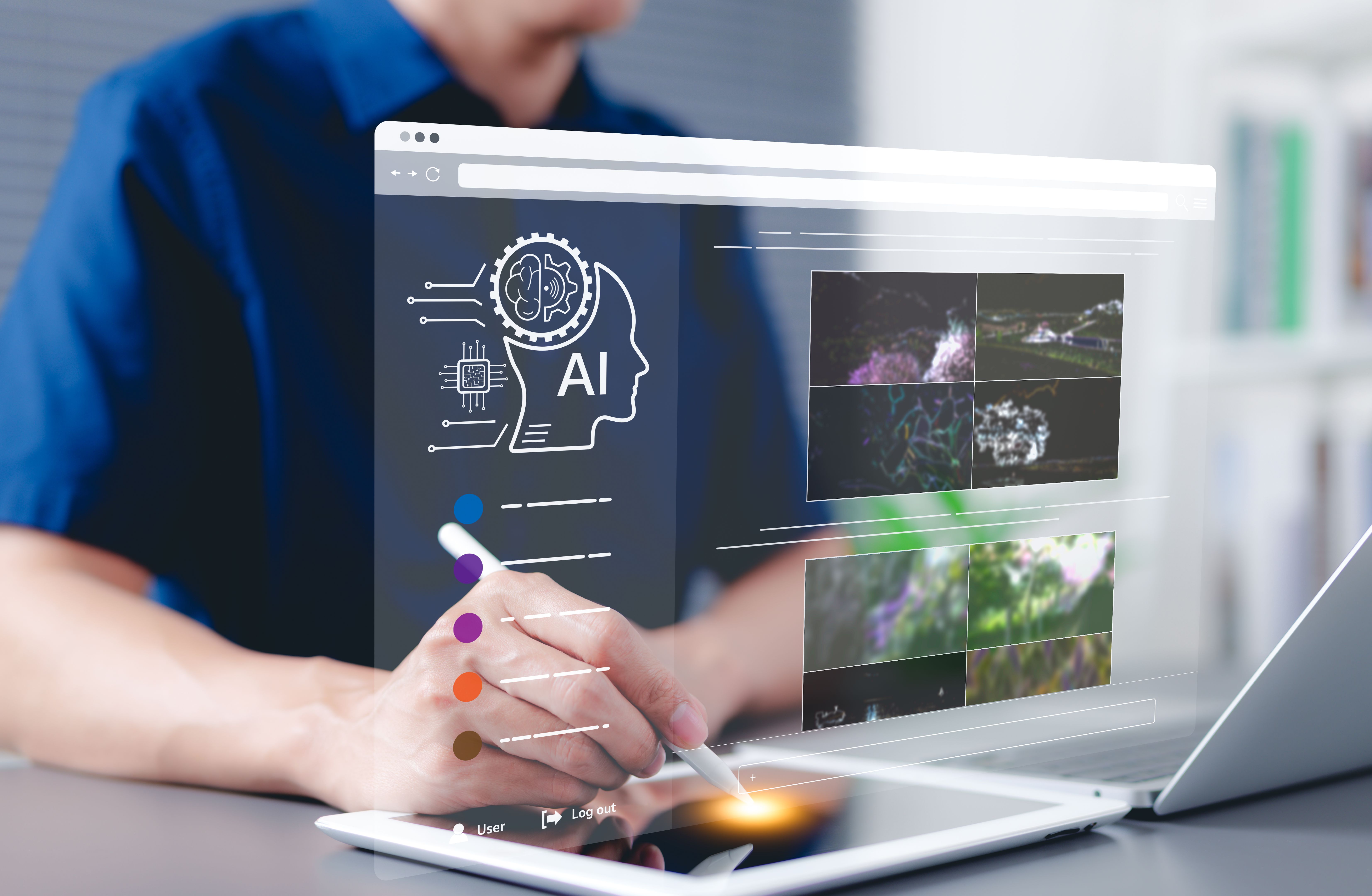
AI is also playing a pivotal role in enhancing user experience by enabling hyper-personalization. Through data analysis and machine learning, designers can create tailored experiences that cater to individual user preferences. This level of personalization improves engagement and satisfaction, making digital interactions more meaningful.
For instance, AI can analyze user behavior to deliver customized content, recommend products, and adjust interfaces in real-time. This trend is transforming how businesses approach digital design, putting user experience at the forefront.
AI in Visual Content Creation
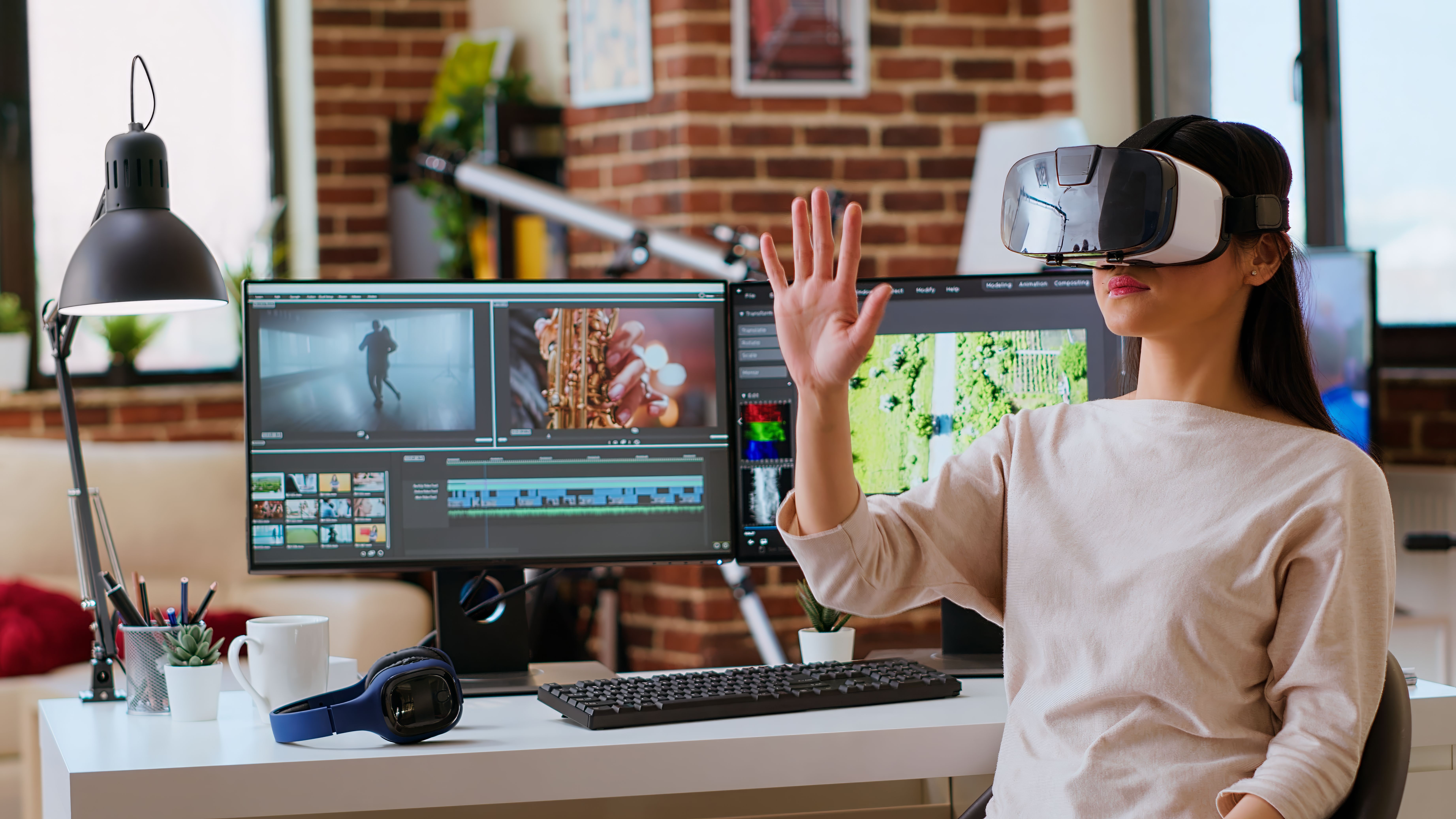
The creation of visual content is another area where AI is making a significant impact. From video editing to image generation, AI tools are simplifying complex processes. Designers can now produce high-quality visuals faster and more efficiently than ever before.
AI-powered design platforms can automatically edit videos, remove backgrounds, and even create animations. These capabilities are not only saving time but also enabling designers to explore new creative avenues without the constraints of traditional tools.
Challenges and Ethical Considerations
Despite the numerous advantages, the integration of AI in digital design also presents challenges. Concerns about data privacy, intellectual property, and the ethical use of AI-generated content are becoming more prevalent. Designers and companies must navigate these issues carefully to ensure responsible AI usage.
Moreover, the reliance on AI tools raises questions about the loss of human touch in design. Striking a balance between automation and personal creativity is essential to maintain the authenticity and emotional connection of design work.
As AI continues to evolve, its impact on digital design will undoubtedly grow. Embracing these trends while addressing the associated challenges will be key to shaping a future where AI and human creativity thrive together.